





What is Liquefied Natural Gas (LNG)?
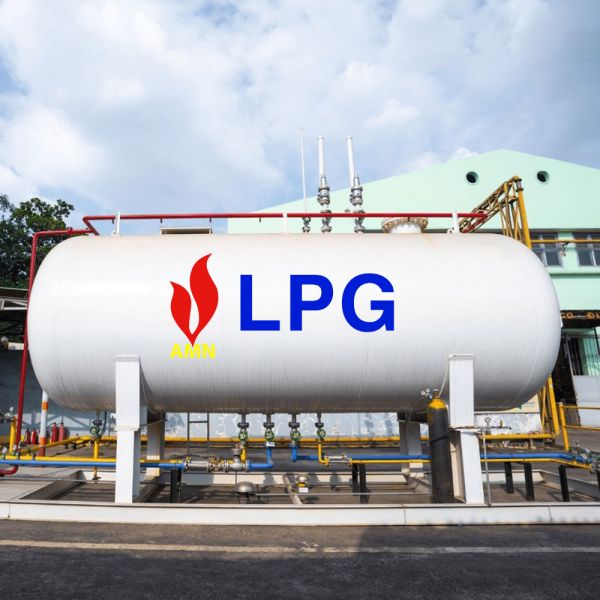
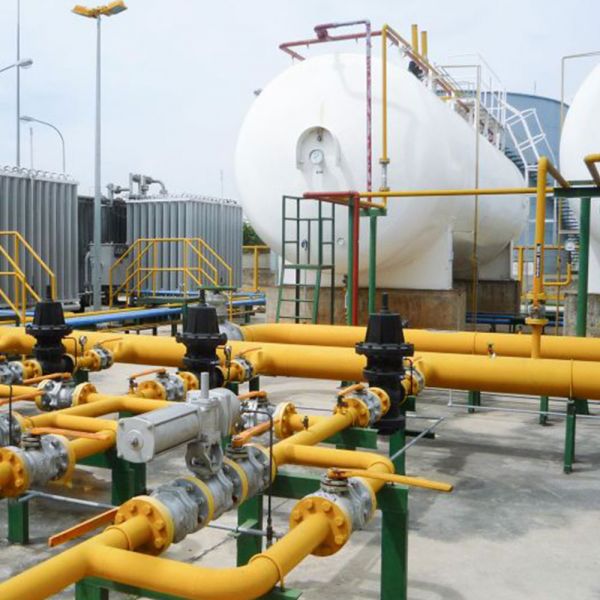
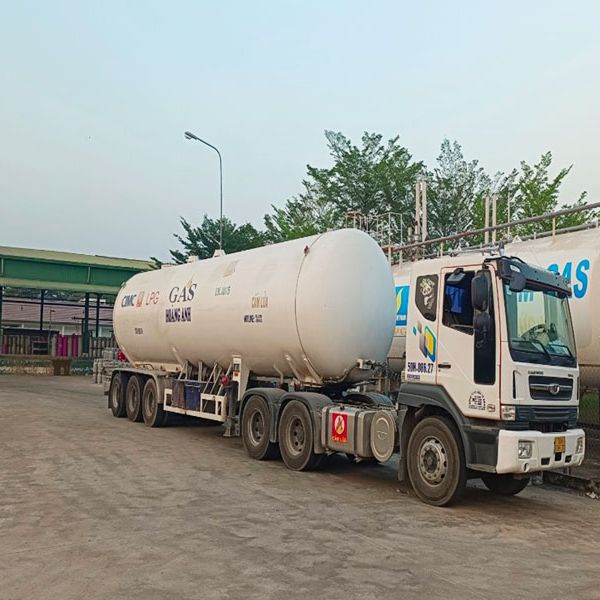
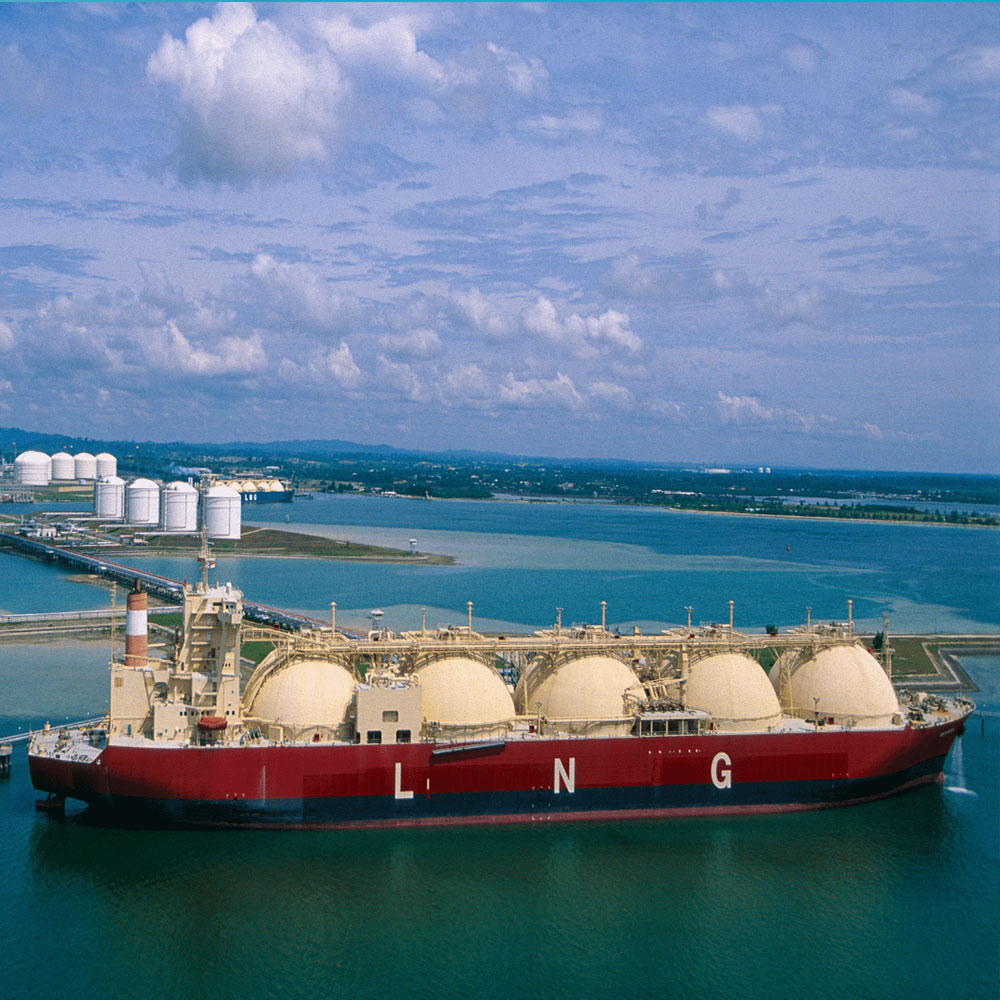
LNG (Liquefied Natural Gas) is liquefied natural gas whose main component is CH4-methane (approximately 90%), and it is colorless and odorless. LNG is natural gas that is deep-cooled to -162°C to convert it into a liquid state, and then stored in specialized tanks for transportation to the point of consumption.
Composition of LNG gas

Applications and benefits of LNG
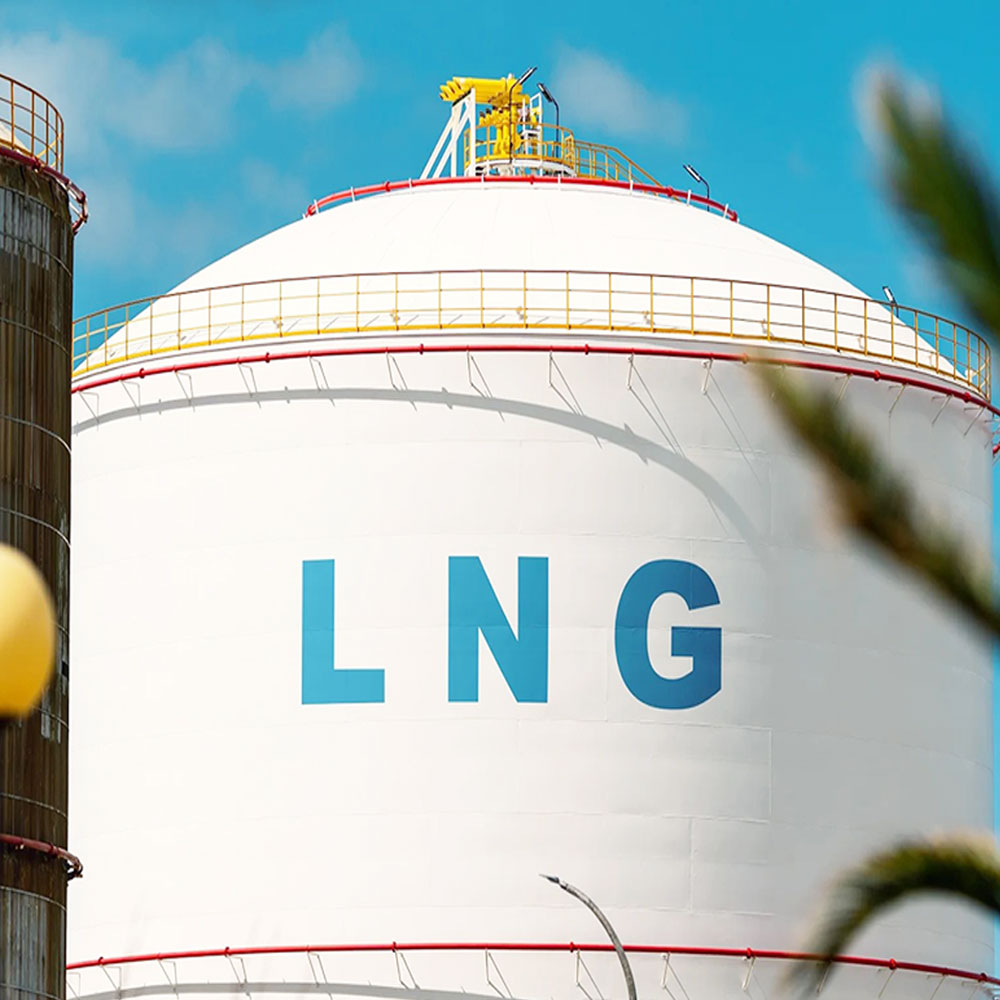
In the context of the world's common goal of reducing environmental pollution, LNG is rapidly becoming an effective alternative to traditional fuels such as coal and oil because it produces fewer harmful emissions.
Applications of LNG
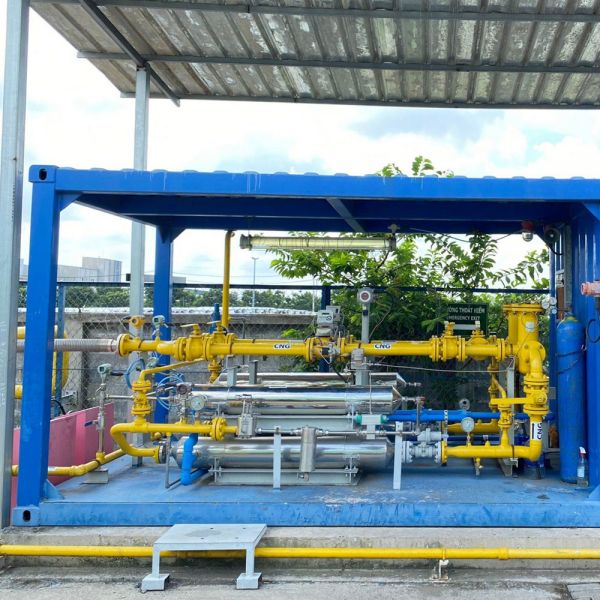
At the point of consumption, LNG is converted back to gaseous form after passing through a regasification unit and can be used similarly to dry gas. Some common applications of LNG include:
Gas-fired power generation: LNG is a low-emission energy source that does not release soot or smoke, while providing higher energy value; in other words, LNG can generate more electricity per ton than coal. Developing gas-fired power using LNG is not only environmentally friendly but also ensures national energy security and increases the sustainability of electricity production.
Industrial Consumption: LNG is used as fuel for machinery and equipment, providing thermal energy for production processes such as metallurgy, drying, etc.
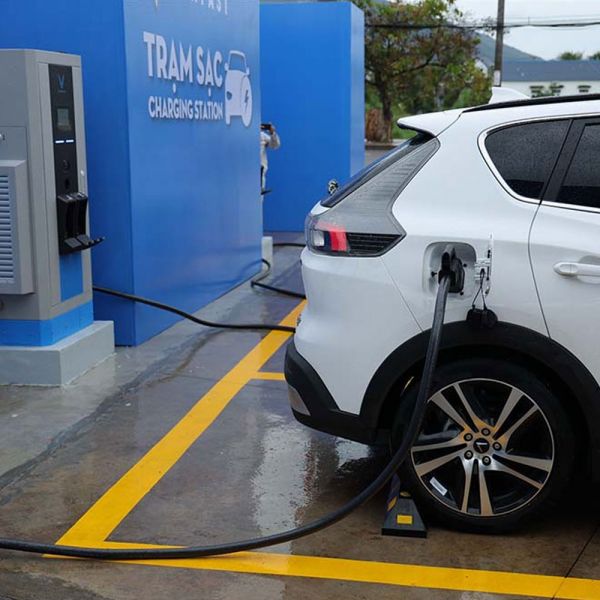
Alternative Fuel in Transportation: Many countries around the world use LNG as fuel for vehicles such as ships, trains, and heavy trucks to minimize environmental pollution, extend equipment lifespan, and save fuel costs.
Benefits of LNG
Environmentally
LNG is considered the cleanest fossil fuel currently available, an excellent alternative to reduce greenhouse gas emissions and address climate change. The combustion of LNG produces 30% less CO2 than oil, 45% less CO2 than coal, twice the amount of nitrogen oxide emissions, and virtually no harmful SO2 emissions. LNG also does not release soot or smoke that pollutes the air. Furthermore, its lighter weight and rapid dissipation in the air mean that leaks do not cause as much damage as gasoline or oil.
Economically
LNG is only 1/600th the volume of natural gas under standard conditions, making it more convenient for storage, saving on transportation costs, and increasing competitiveness in the market compared to traditional fuels. LNG prices are also more competitive than traditional fuels like gasoline, while offering equivalent or better performance. Furthermore, using LNG leaves no residue in engines and equipment, increasing lifespan and reducing maintenance costs.
LNG is a clean energy source of the future, safe and offering many economic benefits and efficiency. Vietnam is currently striving to participate in the LNG market with the goal of ensuring national energy security and serving national development while protecting the environment. In the near future, Vietnam will import LNG to meet domestic gas consumption needs and compensate for the shortage of domestic energy supply, which is on a downward trend.